
Understanding Cycloidal Gearboxes - Single-stage vs Multi-stage
Back to Basics: Cycloidal Gearboxes
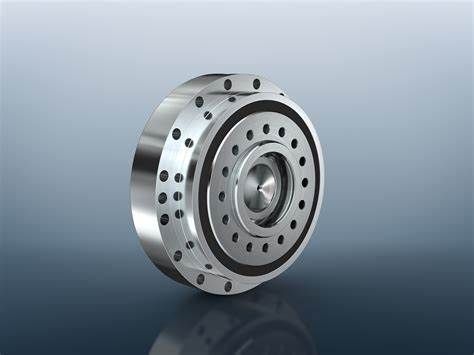
It's no secret that cycloidal gearboxes are important in mechanical engineering, especially when it comes to precision motion control and efficient power transmission. The gear systems differ from harmonic wave/strain wave gearboxes by using a cycloidal disk and needle bearings to transmit torque with minimum backlash, achieve high reduction ratios, and support substantial loads. This Sumitomo Drive Technologies blog will talk about single-stage and multi-stage cycloidal gearboxes.
Single-Stage Cycloidal Gearboxes
Single-stage cycloidal gearboxes are compact, high-precision devices designed for applications requiring efficient torque transmission and minimal to zero backlash. These gearboxes operate on the principle of a cycloidal disc rotating eccentrically, engaging with pins or rollers to convert input shaft rotation into a slowed output motion.
Design and Operation
Mechanism: At the heart of a single-stage cycloidal gearbox is a cycloidal disc that rotates around an eccentric bearing, engaging with stationary pins on the gearbox housing through rollers. This unique mechanism allows for the efficient transmission of torque with a high reduction ratio in a single stage.
Components: Key components include the cycloidal disc, eccentric cam, needle bearings (or rollers), and the output shaft. The compact arrangement of these components contributes to the gearbox's high load-bearing capacity and robustness.
Learn more here:
https://us.sumitomodrive.com/en-us/cycloidal-gearboxes-types-single-multi-stage





 Power Transmission Engineering is THE magazine of mechanical components. PTE is written for engineers and maintenance pros who specify, purchase and use gears, gear drives, bearings, motors, couplings, clutches, lubrication, seals and all other types of mechanical power transmission and motion control components.